
Slideshow Search

Multi Family Homes

The Complete Cost-of-Living Guide for Massachusetts & the North Shore

The cost of living in Massachusetts is the second highest in the United States. The state scored 148.5 on the 2025 national cost-of-living index, which means everyday life here costs about 48.5% more than the U.S. average. Only Hawaii is more expensive. Housing is the main reason: the Massachusetts housing index sits at 221, more than double the national average.

But that headline number hides a big difference between towns. Living in downtown Boston is very different from living in Salem, Beverly, Swampscott or Peabody on the North Shore. The same paycheck can buy a very different home depending on which side of the Mystic River you choose.

This guide breaks down the real 2026 numbers: home prices, rent, taxes, utilities, groceries, transportation and child care. It compares Boston with the North Shore and shows sample monthly budgets. It is written by The Proper Nest, a North Shore real estate team based in Marblehead. We help buyers, sellers and renters across Boston and the North Shore every week, and we see these costs up close in every deal we work on.

What Is the Average Cost of Living in Massachusetts?

The average cost of living in Massachusetts for one adult with no children is about $60,000 to $70,000 a year before taxes, depending on the county. That is the "living wage", the income a person needs to cover basic needs without help.

According to the MIT Living Wage Calculator (updated February 2026), a single adult needs:

  • $30.58 per hour statewide

  • $29.10 per hour in Essex County (the North Shore), or about $60,518 a year

  • $33.60 per hour in Suffolk County (Boston), or about $69,891 a year

For a family of four with two working parents and two children, the numbers jump:

  • Essex County: about $162,446 a year before taxes (each parent earning about $39 per hour)

  • Suffolk County (Boston): about $184,368 a year before taxes (each parent earning about $44 per hour)

That is a gap of almost $22,000 a year for the same family, just by living on the North Shore instead of in Boston. For many of the families we work with, that difference is exactly what makes buying a home possible.

Housing Costs: The Biggest Part of the Massachusetts Cost of Living

Housing is where Massachusetts really stands out. It is the largest single expense for almost every household, and it is the area where your choice of town matters most.

Home prices across Massachusetts

The statewide median single-family home price was $638,000 in 2025. In 2026, prices have stayed steady, reaching about $665,000 in May. The market is calmer than it was a few years ago, but low inventory still keeps prices firm, especially for well-kept homes in good school districts.

What a mortgage really costs

Let's use Salem as an example. On a 690,000homewith20%down(138,000), the loan would be $552,000. At a 6.5% interest rate, the monthly principal and interest payment is about $3,489. At 6.0%, it is about $3,310.

On top of that, you will pay property taxes, homeowners insurance and, for some homes, flood insurance or condo fees. Together these can add several hundred to over a thousand dollars a month, depending on the town and the property.

Before you start looking, run your own numbers with our mortgage calculator and affordability calculator. Then talk to one of our agents. We can show you exactly what your budget buys in each North Shore town.

Property taxes

Massachusetts has no county property tax. Each city or town sets its own residential tax rate every year, per $1,000 of assessed value. Rates and bills vary a lot from town to town, so a lower home price does not always mean a lower yearly cost.

Before you make an offer, always check the current tax rate and the last tax bill for that exact home. Our agents pull this for every home our clients consider, so there are no surprises after closing.

Salem, Massachusetts Cost of Living

The Salem, Massachusetts cost of living is lower than Boston's but still above the national average. Salem gives you city life, a walkable downtown, restaurants, the waterfront and a commuter rail station, at a much lower price than Boston.

Here is what living in Salem costs in 2026:

  • Median single-family home: about $690,000 (2026 year-to-date)

  • Typical 1-bedroom rent: about $2,160 per month

  • Typical 2-bedroom rent: about $2,560 per month

  • Living wage for one adult (Essex County): about $60,500 a year

Salem has a wide mix of homes. You will find condos in converted historic buildings downtown, single-family homes in North Salem and near Salem Willows, and two- and three-family homes that let owners rent out a unit to help pay the mortgage. For first-time buyers, a multi-family home in Salem can be one of the best ways to lower the cost of living.

Salem is also only about 30 minutes from Boston by commuter rail, which helps many residents avoid the cost of a second car or daily parking in the city.

Cost of Living in Boston, Massachusetts

The cost of living in Boston, Massachusetts is among the highest of any U.S. city. Boston has world-class hospitals, universities and jobs, and many people are happy to pay for that access. But it is important to see the full picture before you move.

  • Living wage for one adult: $33.60 per hour, or about $69,900 a year (Suffolk County)

  • Living wage for a family of four (two working parents): about $184,400 a year

  • 2-bedroom rent in Back Bay / South End: about $4,170 per month

  • Child care for a family of four: about $50,400 a year in Suffolk County

Boston is a great place to live, but many people find that moving 15 to 25 miles north gives them more space, a yard, quieter streets and a lower monthly cost, while still letting them work in the city. That is why so many of our clients come to us from Boston, Cambridge and Somerville.

Taxes in Massachusetts

Taxes are an important part of the Massachusetts cost of living. Here is what you need to know in 2026:

  • State income tax: a flat 5% on most income, including wages, interest and dividends.

  • Millionaire's surtax: an extra 4% on income above $1,107,750 for tax year 2026. Most households are not affected.

  • Sales tax: 6.25% statewide. Most groceries and most clothing items up to $175 are not taxed.

  • Meals tax: 6.25% state tax on restaurant meals, and some cities and towns add a small local tax.

  • Property tax: set by each town every year (see the property tax section above).

Compared with many states, Massachusetts has a simple, flat income tax. The bigger tax cost for homeowners is usually property tax, which is why choosing the right town matters so much.

Utilities: Electricity, Heating and Internet

Utilities in Massachusetts cost more than in most of the country. The average electricity rate is about 36 cents per kWh as of October 2026, roughly 72% higher than the national average. A typical household using about 1,000 kWh a month can spend around $374 a month on electricity alone.

Heating is the other big utility cost. Winters on the North Shore are cold, and older homes can use a lot of oil or gas. Here are a few ways to keep utility costs down:

  1. Ask for the last 12 months of utility bills before you buy a home. Our agents request these for our clients as part of every purchase.

  2. Look at the heating system. A newer gas furnace or heat pump can cost much less to run than an old oil boiler.

  3. Check insulation and windows. Older homes often need upgrades, and state programs can help pay for energy audits and insulation.

  4. Compare electricity suppliers. Many towns offer community electricity programs that can lower your supply rate.

Groceries, Health Care and Everyday Costs

Everyday costs in Massachusetts are higher than average, but not as high as housing.

According to the MIT Living Wage Calculator, a single adult in Massachusetts spends about:

  • Food: $4,944 a year (about $412 a month)

  • Medical care: $4,097 a year (about $341 a month)

  • Other needs (clothing, personal care, phone and more): $4,715 a year (about $393 a month)

For a family of four, food costs rise to about $14,469 a year and medical costs to about $12,039 a year.

Health insurance premiums in Massachusetts have also been rising fast. A 2025 business report found premiums rose nearly 20% in recent years. If you are moving for a job, ask your employer about health coverage early, because it can change your monthly budget a lot.

Transportation Costs

Transportation is the third biggest cost for most households. MIT estimates a single adult in Massachusetts spends about $8,178 a year on transportation, and a family of four with two working parents spends about $13,717 a year.

The average commute in Massachusetts is 29.9 minutes, the longest in New England. Where you live has a big effect on both time and money:

  • Boston: you may not need a car, but parking can cost hundreds of dollars a month.

  • North Shore: towns like Salem, Beverly, Swampscott and Lynn have commuter rail stations, so many residents ride the train to Boston instead of driving.

  • Marblehead, Peabody and Danvers: most households rely on a car, but driving to Route 128, Route 1 and I-95 is easy.

When our clients compare homes, we always look at the commute together. A home that is a little more expensive but close to a train station can save you money every month.

Child Care: The Hidden Cost for Families

Child care is one of the biggest surprises for families moving to Massachusetts. The state has the highest median infant child care cost in the country, over $23,000 a year.

For a family with two young children, MIT estimates child care costs of:

  • $41,712 a year statewide

  • $42,930 a year in Essex County

  • $50,372 a year in Suffolk County (Boston)

This is one more reason families choose the North Shore. Lower housing costs and slightly lower child care costs can add up to thousands of dollars of savings every year, plus access to highly rated public schools in many towns.

Why the North Shore Gives You More for Your Money?

When we compare costs for our clients, the North Shore often wins for people who want space, good schools and access to Boston without paying Boston prices. Here is why:

  1. Lower home prices. Many North Shore towns have median prices well below Boston's inner neighborhoods.

  2. Lower rents. A two-bedroom in Salem or Beverly can cost $1,500 or more less per month than in central Boston.

  3. Lower living wage. A family of four needs about $22,000 less per year in Essex County than in Suffolk County.

  4. Easy commute. Commuter rail stations in Salem, Beverly, Swampscott and Lynn connect directly to Boston's North Station.

  5. Coastal lifestyle. Beaches, harbors, parks and historic downtowns are part of everyday life.

Every town has its own feel and price range. Salem offers city energy and multi-family options. Beverly has a mix of downtown condos, family neighborhoods and oceanfront homes. Swampscott and Marblehead offer seaside living with strong schools. Peabody, Danvers and Lynn offer more home for the money. Explore each town on our Communities page.

How The Proper Nest Helps You Lower Your Cost of Living?

The Proper Nest is a local real estate team based in Marblehead, serving buyers, sellers and renters across Boston and the North Shore. We know these towns street by street, and we use that knowledge to help you get the most home for your money.

For buyers, we:

  • Show you exactly what your budget buys in each North Shore town

  • Set up instant listing alerts so you see new homes first

  • Pull tax bills, utility history and flood zone details on every home you consider

  • Help you write a strong offer that wins without overpaying

For sellers, we:

  • Give you a free, accurate home value based on local sales

  • Price, market and photograph your home to attract strong offers

  • Guide you from listing to closing

For renters, we:

  • Help you find the right apartment or home on the North Shore

  • Help you plan your move from renting to owning

Start with our Buying, Selling or Renting pages, or check what your home is worth with our home sale calculator.


Ready to Find a Home That Fits Your Budget?

The cost of living in Massachusetts is high, but the right home in the right town can make it work for you. Whether you want to buy your first home, move up to a bigger house, sell, or find a rental, The Proper Nest is here to help.

Contact The Proper Nest today to talk with a local North Shore agent, browse current listings, and find out exactly what your budget can buy.

Frequently Asked Questions

What is the cost of living in Massachusetts in 2026? 

Massachusetts has the second highest cost of living in the U.S., about 48.5% above the national average. A single adult needs about $60,000 to $70,000 a year before taxes, and a family of four with two working parents needs about $162,000 to $184,000, depending on the county.

What is the average cost of living in Massachusetts per month? 

A single adult renting on the North Shore can expect to spend about $4,000 to $4,500 a month on basic needs. A family of four that owns a home and pays for child care can spend $12,000 to $14,000 a month or more.

Is Salem, Massachusetts expensive to live in? 

Salem is more expensive than the national average but much more affordable than Boston. The 2026 median single-family price is about $690,000, and a typical one-bedroom rents for about $2,160 a month, compared with about $3,510 in Boston's Back Bay.

How much do you need to live comfortably in Boston, Massachusetts? 

A single adult in Boston needs about $69,900 a year before taxes just to cover basic needs. To live comfortably, with savings and some extras, most people need much more. A family of four needs about $184,000 a year for basic needs.

Why is Massachusetts so expensive? 

The main reason is housing. The state's housing costs are more than twice the national average because there are not enough homes for sale and demand from strong job markets is high. Electricity, child care and health care costs are also higher than average.

Where is the most affordable place to live near Boston? 

Many North Shore towns, such as Lynn, Peabody and Salem, offer lower home prices and rents than Boston while still giving you an easy commute. The Proper Nest can help you compare towns based on your budget and lifestyle.
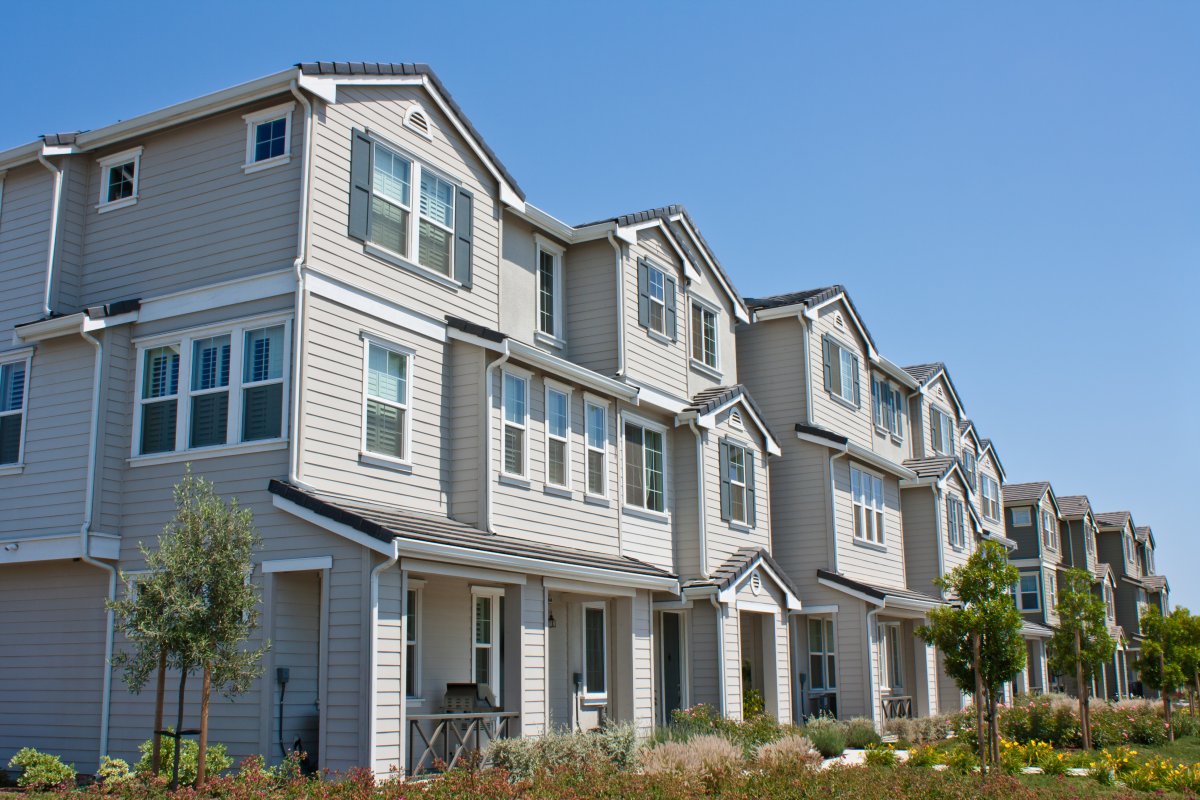

Homes for Sale North Shore MA: Your Complete Guide to Buying on Boston's Coastal Gem

If you've been searching for homes for sale North Shore MA, you already know this stretch of coastline is one of the most desirable places to live in all of Massachusetts. With its historic architecture, charming downtowns, sweeping ocean views, and easy commuter access to Boston, the North Shore offers a rare combination of small-town character and big-city convenience. Whether you're relocating for work, upgrading to a waterfront property, or searching for your very first home, this guide will walk you through everything you need to know about buying on the North Shore, and how The Proper Nest can help you find the perfect place to call home.


Why the North Shore of Massachusetts Is One of the Best Places to Buy a Home?


The North Shore isn't just a location. It's a lifestyle. Stretching from the edges of Boston up through coastal communities like Marblehead, Swampscott, Salem, Nahant, and beyond, this region blends New England charm with modern comfort in a way that's hard to find anywhere else in the state.


Here's what makes homes for sale North Shore MA so appealing to buyers right now:


Coastal Living Without Sacrificing Convenience: Many North Shore towns sit directly on the Atlantic coastline, meaning you get harbor views, beach access, and salt-air mornings, all while staying within a 30 to 45 minute commute to downtown Boston via car or commuter rail. Few regions in the country offer this kind of proximity to a major city paired with genuine coastal living.


Rich History and Architectural Character: Towns like Marblehead and Salem are steeped in centuries of American history, and it shows in the housing stock. From colonial-era homes with original details to Victorian-era estates and classic New England capes, buyers on the North Shore have access to architectural variety that newer developments simply can't replicate.


Strong, Stable Property Values: The North Shore real estate market has consistently shown resilience and steady appreciation over time. Limited inventory, high demand, and the region's enduring appeal to both local and out-of-state buyers help keep property values strong, making a North Shore home not just a place to live, but a smart long-term investment.


A Genuine Sense of Community: Whether it's a farmers market in Marblehead, First Night celebrations in Salem, or a summer sunset walk along Swampscott's coastline, North Shore towns offer the kind of walkable, tight-knit community feel that's increasingly rare in the Greater Boston area.


Popular North Shore Towns to Explore When House Hunting


When you're searching for homes for sale on Boston’s North Shore, it helps to know what makes each town unique. Here's a closer look at some of the most sought-after communities The Proper Nest serves.


Marblehead


Known for its picturesque harbor, historic downtown, and some of the most stunning waterfront properties on the entire coastline, Marblehead is a favorite among buyers looking for luxury homes and classic New England character. From sailboat-dotted harbor views to winding cobblestone streets, Marblehead offers a lifestyle that feels like a permanent vacation.


Swampscott


Just south of Marblehead, Swampscott offers a slightly more relaxed, family-friendly atmosphere with excellent schools, beautiful beaches, and a strong sense of community. It's an increasingly popular choice for buyers who want coastal living with a bit more accessibility on price compared to some of its neighboring towns.


Salem


Famous worldwide for its history, Salem offers an eclectic mix of historic homes, modern condos, and a vibrant downtown filled with restaurants, shops, and cultural attractions. Salem is a great option for buyers who want walkability, character, and a strong sense of place.


Nahant


This small peninsula town offers some of the most dramatic ocean views on the North Shore. With a tight-knit community and a slower pace of life, Nahant appeals to buyers looking for a quieter coastal retreat that's still within easy reach of Boston.


Boston and Surrounding Communities


For buyers who want to stay closer to the city while still enjoying the benefits of North Shore-adjacent living, The Proper Nest also serves Boston and many neighboring towns, helping clients find everything from urban condos to multifamily investment properties.


Types of Homes Available on the North Shore


One of the biggest advantages of searching for homes for sale North Shore MA is the sheer variety of property types available. No matter your budget, lifestyle, or long-term goals, there's likely a home style that fits your needs.


  • Luxury Homes: Waterfront estates, historic mansions, and custom-built properties with premium finishes and unbeatable views.
  • Single Family Homes: Classic New England capes, colonials, and contemporary builds ideal for growing families or first-time buyers.
  • Condos: Low-maintenance living in historic buildings or modern developments, perfect for buyers who want coastal access without the upkeep of a large property.
  • Multifamily Homes: Excellent investment opportunities for buyers looking to generate rental income while building long-term equity.
  • New Construction and Developments: Move-in ready homes built with modern layouts, energy efficiency, and contemporary design in mind.

The Proper Nest specializes in all of these property types, which means whether you're a first-time buyer or a seasoned investor, you'll have a knowledgeable partner who understands the nuances of each market segment.


What to Know Before You Start Your North Shore Home Search?


Buying a home on the North Shore is exciting, but it's also a competitive market. Here are a few tips to help you navigate the process successfully.


Get Pre-Approved: Early North Shore homes, especially waterfront and historic properties, can move quickly. Having a mortgage pre-approval in hand before you start touring homes puts you in a much stronger position when it's time to make an offer.


Understand Local Market Nuances: Every North Shore town has its own personality, price point, and inventory trends. A home in Marblehead's historic district will have very different considerations than a new construction property in a neighboring town. Working with a team that specializes in these specific markets, rather than a generalist agent, can make a significant difference in your search.


Factor in Coastal Property Considerations: If you're considering a waterfront or near-waterfront home, it's important to understand flood zones, insurance requirements, and any coastal maintenance considerations that come with the territory. An experienced local team can help you navigate these details with confidence.


Move Quickly, But Don't Rush: Inventory on the North Shore can be limited, especially for desirable properties in prime locations. While it's important to act quickly when the right home appears, having a trusted real estate team in your corner ensures you're making informed decisions, not rushed ones.


Understanding the North Shore Real Estate Market


If you're comparing homes for sale North Shore MA to other options across Greater Boston, it helps to understand a few of the market dynamics that make this region distinct.


Limited Inventory Drives Demand: Many North Shore towns are largely built out, meaning there's a finite supply of homes, particularly waterfront and historic properties. This scarcity tends to keep demand high and can create a competitive environment for buyers, especially during peak spring and summer selling seasons.


Seasonality Matters: While homes list year-round, the North Shore market often sees an uptick in activity in the spring and early summer, when coastal properties show best and buyers are eager to settle in before the new school year. That said, savvy buyers who search during quieter months, like late fall or winter, can sometimes find less competition and more room for negotiation.


Commuter Access Adds Value: Towns with easy access to the MBTA Commuter Rail or major highways like Route 1A and Route 128 tend to command strong buyer interest, since they offer the coastal lifestyle without sacrificing a reasonable commute into Boston. This is an important factor to weigh as you narrow down which North Shore communities fit your daily routine.


New Construction Is Expanding Options: While much of the North Shore's charm comes from its historic housing stock, new construction and development projects are increasingly giving buyers modern alternatives, whether that means energy-efficient new builds, updated condo developments, or thoughtfully renovated multifamily properties. The Proper Nest stays closely connected to these opportunities as they come to market.


Why Work With The Proper Nest to Find Your North Shore Home?


Searching for homes for sale North Shore MA on your own can be overwhelming, especially with so many towns, property types, and market conditions to consider. That's where The Proper Nest comes in.


As the MA North Shore's #1 Real Estate Team and a top-ranked team across Greater Boston, we bring deep local expertise to every client relationship. We specialize in luxury homes, single family homes, condos, multifamily properties, and new construction, and we serve buyers and sellers throughout Marblehead, Swampscott, Salem, Nahant, Boston, and all the neighboring communities that make up this incredible region.


What sets our team apart is our full-service, client-first approach. We don't just help you find a listing online, we guide you through every step of the process, from understanding local market trends to negotiating offers and navigating closing. Whether you're buying your first home, upgrading to a waterfront property, or exploring investment opportunities in multifamily real estate, our team has the experience and local knowledge to help you make confident decisions.


We're also proud to be available whenever our clients need us. You can reach The Proper Nest by text, phone, or email at any time, because we know that the right home can come on the market at any moment, and questions don't always wait for business hours.


Start Your North Shore Home Search Today


The North Shore of Massachusetts offers an unmatched combination of history, coastal beauty, and community charm, and finding the right home in this competitive market starts with having the right team by your side. Whether you're drawn to the historic streets of Marblehead, the family-friendly neighborhoods of Swampscott, the vibrant culture of Salem, or the peaceful coastline of Nahant, The Proper Nest is here to help you find a home that fits your life.


Ready to explore homes for sale North Shore MA? Reach out to The Proper Nest today by phone, text, or email, and let our top-ranked team guide you home.


Frequently Asked Questions About Buying a Home on the North Shore


What is the price range for homes for sale North Shore MA?


Home prices on the North Shore vary significantly depending on the town, property type, and proximity to the water. Buyers can find everything from more affordable condos and starter homes to multimillion-dollar waterfront estates in towns like Marblehead and Swampscott. Because pricing shifts frequently based on market conditions, it's best to work with a local team that can give you accurate, up-to-date guidance for the specific towns and property types you're considering.


Is the North Shore a good place to raise a family?


Yes. Many North Shore towns, including Swampscott, Marblehead, and Beverly, are known for strong public school systems, family-friendly neighborhoods, and abundant outdoor recreation, from beaches to parks to youth sports programs. The combination of safety, community, and quality of life makes the region especially appealing to families.


How competitive is the North Shore housing market?


Like much of Greater Boston, the North Shore can be a competitive market, particularly for well-located or move-in ready homes. Desirable listings can receive multiple offers, which is why having an experienced local team to help you act quickly and strategically is so valuable.


Can I find investment properties on the North Shore?


Absolutely. Multifamily homes and rental properties are available throughout the region, and many investors are drawn to the North Shore for its strong rental demand, driven by proximity to Boston, coastal appeal, and limited housing supply. The Proper Nest works with investors as well as owner-occupant buyers.


Do I need a specialized agent to buy a waterfront home?


While not strictly required, working with an agent who has direct experience with coastal and waterfront properties is highly recommended. These homes often involve additional considerations, such as flood insurance, zoning regulations, and property maintenance requirements, that a specialist can help you navigate with confidence.


How do I start searching for homes for sale North Shore MA?


The best first step is connecting with a local real estate team who can walk you through current listings, help you define your priorities, and set you up with alerts as new properties hit the market. The Proper Nest offers personalized buyer consultations to help you get started on the right foot.


How Inflation and Interest Rates Affect Multi-Unit Rental Properties for Sale?

You can grow rich and make a lot of money if you acquire rental homes with more than one unit. For this bargain to work, you need to know a lot about how the market works, interest rates, and inflation. These things have a big impact on the total return on investment, the value of the property, and the rental income. People who want to buy multi-unit homes should learn about these economic variables so they may make smart decisions.


What Is Inflation, and Why Does It Matter for Multi-Unit Properties?


Over time, the prices of goods and services go up. This is what we call inflation. This can have a big effect on the costs and income of people who own multi unit rental properties for sale. Property prices frequently go up as inflation goes up. This means that buying properties with more than one unit is a better option. Investors might have to pay more for things like maintenance, property management fees, and utilities. Rent costs can also go up, depending on how the market is doing. This might make up for the higher costs. If you want to know how much money a building with a lot of flats could make, ask yourself, "How has inflation affected rent growth in this area?"


How Do Interest Rates Influence Multi-Unit Property Investing?


The interest rate is a big part of how much it costs to borrow money to invest. If interest rates go up, your mortgage payments will go up too. This can make it tougher for you to pay your expenses on time. On the other hand, lower rates make it easier to acquire a loan and can help businesses make more money. If you want to buy a multi unit rental properties for sale, consider the current interest rates, how rate hikes might affect your monthly payments, and whether you can get a fixed-rate or variable-rate mortgage. You need to know a lot about interest rates to make smart decisions about how to spend your money and pay for things.


How Inflation and Interest Rates Work Together?


Over time, inflation and interest rates tend to go down. For example, central banks might raise interest rates to stop inflation. This means that it costs more to get a loan. But a small bit of inflation can be good for multi unit rental properties for sale because it can make homes worth more and bring in more rent over time. When mortgage rates go up, it can be harder for new investors to buy rental homes that have more than one unit. People who already own homes and have fixed-rate mortgages won't be as affected by this. Inflation can also make renters earn more money when prices go up. You should realize this when you look at the market for rental homes with more than one unit.


Should I Worry About Cash Flow in a High-Interest Environment?


For people who rent out properties, cash flow is very important because, as interest rates go up, mortgage payments might go up, and income can go down. Before you buy multi unit rental properties for sale, make a list of all the possible interest rates and how much money you will have in the future. Consider how much rent can go up to keep up with rising costs and how you will pay for repairs or empty apartments. You need to plan if you want to stay profitable, especially when the business isn't clear.


Can Multi-Unit Properties Protect Against Inflation?


When prices go up, landlords can raise rents to keep up with the cost of living and make money from the higher value of their multi unit rental properties for sale. This is a great way to protect your money against inflation. You can evaluate how safe an investment is by looking at how much rent has gone up in the past, how many people are looking for places to rent right now, and how easy it is to raise rates without losing customers. These things can help you pick homes that can handle changes in the business.


What Other Factors Should Investors Consider?


When investors want to buy more than one unit, they should think about more than just interest rates and inflation. It's important to think about what's going on in the local market, such as whether rents and property values are going up. You should also think about how the multi unit rental properties for sale looks and how many renters want it. High demand can make it less likely that a unit will be empty. It might be expensive to fix up older properties while values are going up. Getting answers to these questions will assist buyers in fully understanding before they spend their money.


Ready to Explore Multi-Unit Rental Properties for Sale?


If you want to make a good investment, you need to know how inflation and interest rates affect multi unit rental properties for sale with more than one unit. To protect your assets and gain more money from your rents over time, you need to ask the right questions and do a cash flow analysis. People in Boston or on the North Shore who want to rent properties with more than one unit can find a lot of useful information on The Proper Nest.

They help investors pick the best houses and make smart decisions by being proactive, delivering concierge-level service, and knowing a lot about the area. The Proper Nest can help you find multi-unit investments that can help you reach your financial goals if you want to spend money.
 

A Complete Guide to Multi Unit Rental Properties for Sale

Investing in real estate has always been a reliable way to build wealth, but savvy investors know that multi unit rental properties for sale offer unique advantages over single-family homes. Whether you’re a first-time investor or looking to expand an existing portfolio, understanding the market, financing options, property management, and neighborhood trends is essential to maximizing your returns.


This guide walks you through everything you need to know to make informed, profitable decisions while investing in multi unit rental properties.


Why Multi Unit Rental Properties Are a Smart Investment?


Unlike single-family homes, multi unit properties provide multiple income streams from a single location, reducing risk and improving cash flow. Some key benefits include:


  1. Steady Rental Income: Multiple units mean multiple tenants, which stabilizes your income even if one unit becomes vacant.
  2. Economies of Scale: Maintenance, utilities, and management costs are often lower per unit compared to separate single-family homes.
  3. Appreciation Potential: Larger properties in growing neighborhoods can increase in value faster than smaller homes.
  4. Financing Flexibility: Many lenders offer favorable rates for multi unit properties, especially for owner-occupied purchases.


Investing in multi unit rental properties is not only about financial gain—it’s about creating long-term wealth with predictable cash flow.


Key Types of Multi Unit Properties


Understanding the different types of multi unit properties helps investors match their goals with the right investment. Common types include:


  1. Duplexes and Triplexes: Small-scale multi unit properties, often owner-occupied, with manageable management requirements.
  2. Fourplexes: Offers higher income potential while still being small enough for first-time investors to manage efficiently.
  3. Apartment Buildings: Larger properties ranging from 5 units to hundreds, suitable for experienced investors or those hiring professional management.
  4. Mixed-Use Buildings: Combine residential units with commercial spaces, offering diversification and potential for higher returns.


Each type comes with its own set of risks, management needs, and financial considerations.


Evaluating Neighborhoods for Multi Unit Investments


Location is a critical factor in real estate investing. A well-chosen neighborhood can make or break your investment.

Consider these factors when evaluating neighborhoods:

  1. Rental Demand: Areas with universities, hospitals, or growing industries tend to have high rental demand.
  2. Appreciation Trends: Look for neighborhoods with consistent property value growth.
  3. Safety and Amenities: Crime rates, schools, parks, and local shops influence rental appeal.
  4. Future Developments: Planned infrastructure projects can significantly increase property values over time.


Smart investors combine market research with local insights to identify neighborhoods with high growth potential and strong rental demand.


Financing Multi Unit Properties


Financing a multi unit property is slightly different from a single-family home. Understanding your options can save time and money:


  1. Conventional Loans: Common for duplexes to fourplexes, with competitive interest rates and fixed repayment terms.
  2. Commercial Loans: Required for larger apartment buildings, often with higher down payments and shorter terms.
  3. Owner-Occupied Financing: Purchasing a property while living in one unit can reduce down payment requirements and improve loan approval chances.
  4. Private Lending & Partnerships: Alternative financing options that allow investors to access capital quickly, often at higher interest rates.


A thorough understanding of financing options ensures that you maximize your leverage while minimizing financial risk.


Managing Multi Unit Properties Effectively


Owning multiple units comes with responsibilities beyond simple ownership. Proper management can make the difference between a profitable investment and a financial burden.


  1. Tenant Screening: Background checks, employment verification, and rental history ensure reliable tenants.
  2. Maintenance and Repairs: Routine inspections and preventive maintenance reduce long-term costs.
  3. Rent Collection: Efficient systems for collecting rent prevent cash flow interruptions.
  4. Professional Property Management: For larger buildings, hiring a property manager can save time, ensure compliance, and maintain high occupancy rates.


Even small lapses in management can lead to vacancy, costly repairs, and tenant disputes.


Calculating Returns on Multi Unit Investments


Understanding the financial metrics is critical before investing. Key calculations include:


  1. Net Operating Income (NOI): Rental income minus operating expenses.
  2. Cash Flow: NOI minus mortgage payments, giving a clear picture of monthly profits.
  3. Cap Rate: NOI divided by property value; helps compare potential returns between properties.
  4. ROI (Return on Investment): Total profit relative to the amount invested, essential for evaluating long-term performance.


Performing thorough financial analysis ensures that your multi unit rental property meets your investment objectives.


Renovation and Value-Add Opportunities


Many investors enhance profitability by identifying value-add opportunities:


  1. Unit Upgrades: Modern appliances, flooring, and fixtures increase rent potential.
  2. Energy Efficiency: Installing energy-saving systems reduces expenses and attracts tenants.
  3. Amenity Enhancements: Laundry facilities, parking spaces, or shared spaces can boost appeal and revenue.
  4. Strategic Renovations: Improving curb appeal or common areas can increase property value and occupancy.


These improvements often require upfront investment but can significantly improve long-term cash flow and resale value.


Legal Considerations


Investing in multi unit properties involves navigating zoning laws, building codes, and tenant regulations. Important legal considerations include:


  1. Tenant Rights: Understand local landlord-tenant laws regarding leases, evictions, and deposits.
  2. Building Codes and Permits: Ensure all units meet safety, fire, and occupancy regulations.
  3. Insurance: Comprehensive coverage protects against property damage, liability, and loss of income.
  4. Tax Implications: Multi unit properties may offer tax advantages, including depreciation and deductible expenses.


Staying compliant helps avoid legal disputes and protects your investment.


Partnering With Experts for a Smooth Investment


The real estate market is complex, and navigating it alone can be risky. Experienced professionals can provide insights, connections, and negotiation support to maximize returns.


The Proper Nest specializes in connecting buyers with the best multi unit rental properties for sale. With deep market knowledge, personalized guidance, and negotiation expertise, they help investors identify properties that align with financial goals and lifestyle preferences.


Conclusion


Investing in multi unit rental properties for sale is a smart strategy for building long-term wealth, generating consistent rental income, and diversifying your portfolio. By focusing on location, financing, management, and legal compliance, you can maximize profitability while reducing risk. Partnering with experts like The Proper Nest ensures that every aspect of your investment is handled professionally, giving you confidence and peace of mind as you grow your real estate portfolio.
 

Understanding Multi Family Homes for Sale in Boston Market

Boston is a city that blends historic charm with modern vibrancy. As housing demand grows, more people are exploring multi family homes for sale Boston as a practical and profitable real estate option. Whether you're a first-time homebuyer, a seasoned investor, or someone considering house hacking, understanding the value and dynamics of multi family properties in Boston can help guide your decision-making process.

What Are Multi Family Homes?

Multi family homes are residential buildings that contain more than one housing unit. These can range from two-family duplexes to triplexes and even larger apartment-style buildings. In Boston, multi family properties are commonly seen in neighborhoods where residential and rental demands are high. These homes are typically designed to allow separate families or tenants to live independently, each with their own entrance, kitchen, and bathroom.

Why Consider Multi Family Homes in Boston?

Boston’s real estate market is one of the most competitive and stable in the U.S. With universities, tech firms, hospitals, and historical institutions fueling population growth, rental demand remains strong. This makes multi family homes for sale Boston particularly appealing for several reasons:

1. Rental Income Potential
Buying a multi family property allows owners to live in one unit while renting out others. This can offset mortgage costs and generate passive income.

2. Long-Term Investment Value
Boston's real estate has shown consistent appreciation. A well-maintained multi family property can grow in value while providing a steady cash flow.

3. Diversification of Risk
Owning a multi family home means you’re less dependent on one tenant. If one unit becomes vacant, other units can still provide income.

4. Tax Benefits
There are potential tax deductions for property expenses, mortgage interest, and depreciation when owning multi family properties.

Popular Neighborhoods in Boston for Multi Family Homes

Boston's diverse neighborhoods offer various opportunities for those interested in multi family homes. Each area has its own character, price point, and level of demand.

1. Dorchester: One of Boston's largest neighborhoods, offering a mix of historic homes and newer developments. It's a popular spot for investors due to its size and relative affordability.
2. Roxbury: With ongoing revitalization, Roxbury has become an attractive area for multi family investments.
3. Jamaica Plain: Known for its green spaces and community feel, Jamaica Plain offers multi family homes with charm and rental appeal.
4. East Boston: A rapidly developing area close to downtown, East Boston has become a hotspot for those looking to invest in multi unit properties.
5. South Boston: Popular among young professionals, South Boston offers strong rental markets and a good selection of multi family homes.

What to Look for When Buying a Multi Family Home in Boston?

If you’re searching for multi family homes for sale Boston, there are several factors to consider:

1. Condition of the Property: Evaluate structural integrity, plumbing, electrical systems, and any potential need for renovations.
2. Zoning Laws: Boston has specific zoning regulations that govern how properties can be used. Make sure the property’s usage aligns with your goals.
3. Cash Flow Analysis: Consider current rental rates, operating costs, property taxes, and mortgage payments to assess potential income.
4. Location and Accessibility: Proximity to public transit, schools, hospitals, and business districts can affect both rental demand and property value.
5. Tenant Occupancy: Some multi family homes are sold with existing tenants. This can be advantageous but also requires reviewing lease agreements and understanding tenant rights.

Financing a Multi Family Property

Financing multi family homes for sale Boston can differ slightly from purchasing a single-family residence. Here’s what you need to know:

1. Down Payment: For owner-occupied multi family homes (2-4 units), FHA loans allow down payments as low as 3.5%. Conventional loans may require 15-25%.
2. Loan Qualification: Lenders will consider your credit history, income, and sometimes the projected rental income from the property.
3. Property Appraisal: Multi family homes are often appraised based on income potential and comparable property values.

Advantages of Owner-Occupying

Many buyers of multi family homes for sale Boston choose to live in one unit while renting the others. This has multiple advantages:

1. Lower Living Costs: Rental income can significantly reduce or eliminate your personal housing expenses.
2. Better Loan Terms: Owner-occupants often qualify for more favorable interest rates and lower down payments.
3. Hands-On Management: Living on-site can make managing tenants and maintaining the property more convenient.

Potential Challenges to Be Aware

While there are many benefits to owning a multi family property, there are also challenges:

1. Tenant Management: Being a landlord comes with responsibilities, including collecting rent, handling repairs, and resolving disputes.
2. Maintenance and Upkeep: Multi family homes require regular maintenance. The more units, the more systems to monitor and repair.
3. Vacancy Risks: If a unit goes unoccupied, it can affect your cash flow. Proper screening and market research can help mitigate this.

Market Trends for Multi Family Homes in Boston

The demand for multi family homes for sale Boston has been consistently high. Factors contributing to this trend include:

1. High Rental Demand: Boston’s dense population of students and professionals keeps the rental market strong.
2. Urbanization: As more people move into urban centers, multi unit dwellings provide a solution to housing shortages.
3. Flexibility for Buyers: These properties serve both as a primary residence and an investment vehicle, which is attractive to a wide range of buyers.

Conclusion

In summary, multi family homes for sale Boston offer a powerful combination of income potential, long-term appreciation, and housing flexibility. Whether you're looking to live in one unit and rent the others, or simply invest in a property that generates consistent returns, Boston's multi family market provides ample opportunity. By carefully considering neighborhood dynamics, financials, and property condition, you can make an informed decision that aligns with both your lifestyle and financial goals. For anyone considering real estate investment, multi family homes in Boston stand out as a smart and strategic choice.
 

Navigating Boston's Multi-Family Home Market: A Smart Investment for 2025

The real estate market in Boston has long been a sought-after destination for both homebuyers and investors alike. With its rich history, robust economy, and diverse neighborhoods, the city continues to attract individuals looking to plant roots or build their investment portfolios. If you’re considering entering the market, one option that continues to hold great potential is purchasing multi family homes for sale Boston.

In this blog post, we’ll take a deep dive into the benefits of buying multi-family homes in the Boston area, what to expect from the current market, and how you can maximize your investment.


Why Consider Multi-Family Homes for Sale in Boston?
 

Multi-family homes are properties designed to accommodate multiple tenants, usually in the form of duplexes, triplexes, or larger apartment buildings. While single-family homes are popular for those looking to settle in Boston, multi-family homes offer distinct advantages, particularly for investors. Here are a few reasons why buying multi-family homes in Boston might be the right decision:

1. Steady Rental Demand
Boston is home to several major universities such as Harvard, MIT, and Boston University, along with a thriving job market. This creates a continuous influx of renters—whether they’re students, professionals, or families—who need quality rental housing. Multi-family properties allow you to take advantage of this demand by providing multiple rental units within a single property.

2. Cash Flow Potential
One of the biggest advantages of investing in multi-family homes is the ability to generate consistent rental income. By owning a multi-family property, you can rent out each unit separately, providing a steady cash flow. Additionally, the rental income from these properties can help offset mortgage payments, property taxes, and maintenance costs.

3. Appreciation and Long-Term Investment
Boston’s real estate market has shown resilience over the years, with property values steadily increasing. By purchasing multi-family homes in desirable neighborhoods, you can benefit from both the immediate rental income and long-term property appreciation. The value of these properties can grow significantly over time, making them a smart choice for long-term investors.

What to Look for When Buying Multi-Family Homes in Boston?

While multi-family homes offer great potential, it’s important to approach your purchase strategically. Here are some factors to consider when looking at multi-family homes for sale in Boston:

1. Location Matters
The location of a multi-family property is crucial to both its rental income potential and future appreciation. Boston has a variety of neighborhoods with different characteristics, from the historic streets of Beacon Hill to the trendy South End and rapidly developing Seaport District. Look for areas with strong rental demand, proximity to public transportation, and access to schools, hospitals, or major employers.

2. Condition of the Property
Before making an offer on a multi-family home, it’s important to thoroughly assess the property’s condition. Pay close attention to the foundation, roof, plumbing, electrical systems, and overall structural integrity. Older properties may require significant repairs, which can eat into your initial investment. A thorough inspection will help you identify any issues before closing the deal.

3. Rental Market Trends
Understanding the rental market in Boston is key to ensuring you’re making a profitable investment. Trends such as average rental rates, vacancy rates, and the overall demand for housing can give you insights into what kind of return you can expect. Keep an eye on changing neighborhood dynamics, as areas that may have been underdeveloped a few years ago can quickly become highly sought-after.

4. Financing and Tax Considerations
Multi-family properties are often eligible for various financing options, including traditional mortgages, FHA loans, or loans specifically for multi-family purchases. It’s important to work with a knowledgeable lender who can help you navigate the different financing options available. Additionally, don’t forget to factor in property taxes, insurance costs, and other ongoing expenses into your financial calculations.

Current Market Trends for Multi-Family Homes in Boston

As of 2025, Boston’s real estate market continues to show a mix of stability and growth, with certain trends emerging in the multi-family sector:

1. Increased Demand in Suburban Areas
While Boston’s downtown and popular neighborhoods remain competitive, many investors are looking to suburban areas for more affordable multi-family options. Suburbs like Somerville, Brookline, and Quincy are experiencing an increase in rental demand, particularly as more people seek out spacious living accommodations outside the city center. These areas may offer lower entry prices and potential for future appreciation as they become more desirable.

2. Focus on Sustainability
As sustainability becomes a more important factor in real estate, many buyers are seeking multi-family properties that are energy-efficient, have eco-friendly features, or are located in transit-oriented developments. If you’re looking to attract eco-conscious tenants, consider properties with green features, such as energy-efficient appliances, solar panels, or proximity to public transportation.

3. Rising Construction Costs
Construction costs for new multi-family developments in Boston are on the rise due to inflation and supply chain disruptions. This has made it more challenging for developers to build affordable housing, which can drive up demand for existing multi-family homes. If you’re considering a new-build property, be prepared for potential delays and higher costs.

Tips for First-Time Buyers

If you’re a first-time buyer looking to purchase a multi-family home in Boston, here are some tips to keep in mind:


  1. Work with a Local Real Estate Agent: A knowledgeable agent can help you navigate the complexities of the Boston real estate market and find the best multi-family homes for sale.
  2. Understand Your Financing Options: Multi-family homes often require larger down payments than single-family homes, so it’s important to have a clear understanding of your financing options and budget.
  3. Start Small: If you're new to real estate investing, consider starting with a duplex or triplex before jumping into larger properties. This will allow you to learn the ropes of property management and rental income.

Conclusion

By choosing the right location, understanding market trends, and making informed decisions, you can set yourself up for success in one of the most dynamic real estate markets in the country.

If you're considering investing in a multi-family home in Boston, The Proper Nest can help guide you through the process, offering expert advice and access to the best listings in the city. Get in touch with us today to start your journey toward owning a multi-family property in one of the most desirable cities in the U.S.