Slideshow Search

Homebuyers

Single Family Homes for Sale in Marblehead, MA: Your 2026 Buyer's Guide

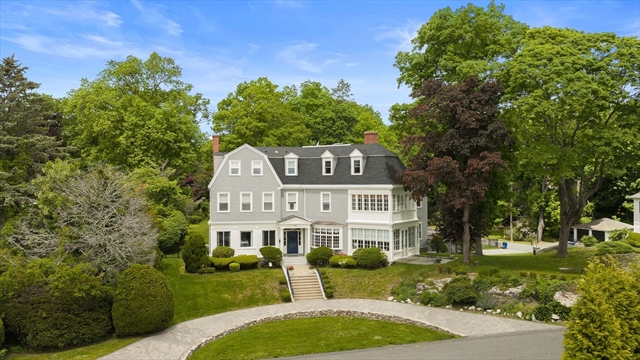
Single family homes for sale in Marblehead MA typically range from the high $700,000s for modest sized homes to well over $2 million for waterfront properties on Marblehead Neck, with a townwide median sale price hovering around $1.1 million in 2026. It's a small, historic coastal town of roughly 8,400 properties, homes sell fast — often in about three weeks and frequently above asking — so knowing the neighborhoods and the process before you start matters more here than in most markets.

This guide walks you through what you're actually buying in Marblehead: current prices, the neighborhoods worth knowing, what drives value, property taxes, and the steps to win a home in a competitive market. It's written by the team at The Proper Nest, a brokerage based right in the heart of Marblehead.

Why buyers keep choosing Marblehead?

Marblehead sits about 17 miles north of Boston on Massachusetts' North Shore, a roughly 45-minute drive or a commuter-rail-plus-connection trip into the city. That commutable distance, paired with a genuine coastal-town identity, is a big part of why demand stays high.

The town is one of New England's great sailing centers — known as "the birthplace of the American Navy" — life here revolves around the harbor, Marblehead Neck, Chandler Hovey Park and its lighthouse, and one of the most intact historic districts in the country. Old Town's narrow streets are lined with 18th- and 19th-century homes, many still standing and lived in today.

For families, the draw is also practical: highly regarded public schools, walkable village centers, and a strong sense of community. When you buy a single family home in Marblehead, you're buying into a lifestyle as much as a house — and buyers know it, which keeps competition steady.

Home Styles by Neighborhood

Marblehead is small, but its pockets feel distinct. Where you buy shapes both price and daily life.

Old Town (Historic District) — The postcard heart of Marblehead. Antique colonials and Federals, walkable to shops, restaurants, and the harbor. Charming but often smaller lots and period-home quirks; buyers pay for character and location.

Marblehead Neck — The premium waterfront enclave, connected by a causeway. Estate-scale single family homes, ocean views, and the town's highest price points, frequently $2 million and up. This is where luxury and waterfront buyers focus.

Clifton and Devereux — More classic suburban feel toward the Swampscott line, with a mix of mid-century and updated single family homes on comparatively larger lots. Popular with families wanting space and easier parking.

Gingerbread Hill / Old Town outskirts — Hillside homes, some with harbor peeks, blending historic charm with a slightly quieter setting.

Peaches Point — A small, exclusive coastal pocket with large waterfront and water-view estates.

Because inventory in each pocket is thin, a home that fits your list may only appear a few times a year. Setting up a saved search and moving quickly is how buyers actually land in the neighborhood they want.

What drives the price of a single family home here?

Three factors move Marblehead prices more than almost anywhere else:

Water. Direct waterfront, deeded beach rights, mooring access, or even a harbor view can add hundreds of thousands to a comparable inland home. It's the single biggest premium in town.

Location within town. Walkability to Old Town or Marblehead Neck exclusivity commands more than the outer edges near the Swampscott and Salem lines.

Condition and period character. Marblehead has a huge stock of historic homes. A tastefully updated antique that keeps its character sells at a premium; one needing major systems work trades at a discount — and homes in the Historic District may have exterior-change rules to factor in.

Property taxes and ongoing costs

Massachusetts property taxes are set locally, and Marblehead runs a single tax rate applied to residential and commercial property alike, approved each year at Town Meeting. Homes are assessed at 100% of fair market value as of January 1, and the town appraises roughly 8,400 parcels.

Marblehead's residential rate has historically sat around $9 to $10 per $1,000 of assessed value — competitive for the North Shore — but on a $1.1 million home the annual bill still runs into five figures, so build it into your budget. For the exact current rate and your specific parcel's assessment, check the Marblehead Assessor's Office or ask your agent to pull it before you make an offer.

Beyond taxes, budget for coastal-home realities: flood insurance for waterfront and low-lying parcels, higher heating and maintenance costs on older homes, and the occasional surprise that comes with a 100-plus-year-old house. A local agent and a thorough inspection are your best protection.

How to buy a single family home in Marblehead (step by step)?

  1. Get pre-approved first. In a market where homes sell in about three weeks and often above asking, a mortgage pre-approval is your ticket to being taken seriously. Run the numbers early with an affordability and mortgage calculator so you know your real range.

  2. Define your must-haves. Waterfront or walkable? Historic character or turnkey? School proximity? Narrowing this lets you act fast when the right home appears.

  3. Set up a saved, real-time search. Because inventory is limited, new listings get attention within hours. Alerts beat refreshing portals.

  4. Tour quickly and decisively. Plan to see homes within days of listing, and know your walk-away number before you fall in love.

  5. Make a clean, competitive offer. In multiple-offer situations, terms matter as much as price — flexible closing, sensible contingencies, and strong pre-approval can beat a slightly higher but shakier bid.

  6. Inspect thoroughly. Even in a hot market, don't skip due diligence on older or coastal homes. An experienced local agent helps you weigh what's normal wear versus a real problem.

Marblehead vs. nearby North Shore towns

If Marblehead's prices or inventory feel tight, neighboring towns offer alternatives with their own character — often at different price points. Swampscott and Salem sit right next door with strong coastal and commuter appeal, while Beverly and Nahant round out the area. Many buyers search a few towns at once before deciding, and a local brokerage that covers the whole North Shore can compare them side by side for you.

Ready to find your Marblehead home?

Single family homes in Marblehead don't stay on the market long, and the best ones rarely make it to a casual search in time. The Proper Nest is based right here in Marblehead — we know the neighborhoods, the off-market whispers, and how to write an offer that wins without overpaying.

Start your search today: browse current Marblehead listings, set up instant alerts, and talk to a local agent who lives and works in this market. If you're weighing a move now or next season, reach out to The Proper Nest and we'll help you find — and land — the right home.


FAQ Section


How much does a single family home in Marblehead, MA cost? 

Most single family homes in Marblehead sell between the high $700,000s and $2 million-plus, with a townwide median around $1.1 million in 2026. Waterfront homes on Marblehead Neck sit at the top of that range, while smaller in-town houses anchor the lower end.


Is Marblehead, MA a good place to buy a home? 

Yes, for buyers who value a walkable, historic coastal town with strong schools and easy access to Boston. It's a competitive, appreciating market, so buyers should be pre-approved and ready to act, but many consider the lifestyle and long-term value well worth it.


How competitive is the Marblehead housing market? 

Very competitive. Homes sell in about three weeks on average and frequently above asking, with a sale-to-list ratio around 102%. Coming in with a mortgage pre-approval and a strong, clean offer is essential.


What are the best neighborhoods in Marblehead for single family homes? 

Old Town offers historic charm and walkability, Marblehead Neck is the premium waterfront enclave, and Clifton and Devereux appeal to families wanting more space and a suburban feel. The right fit depends on your budget and lifestyle.


Are property taxes high in Marblehead? 

Marblehead uses a single tax rate set each year at Town Meeting, and its residential rate is competitive for the North Shore. However, because home values are high, the annual tax bill on a typical home still runs into five figures. Confirm the current rate with the Assessor's Office before you buy.


Do I need a local real estate agent to buy in Marblehead? 

It's strongly recommended. Inventory is thin, homes move fast, and older and coastal properties carry unique considerations. A Marblehead-based agent gives you early access to listings, local market knowledge, and offer strategy that out-of-town buyers often miss.


Comments

  1. No comments. Be the first to comment.

Finding the Right Home in Massachusetts (Without Losing Your Mind in the Process)

Massachusetts has a way of pulling people in—and keeping them here.

Maybe it’s the coastline. Maybe it’s the history. Maybe it’s the fact that you can be in Boston for work and at the beach by dinner. Whatever it is, buyers aren’t just looking for houses here—they’re looking for a lifestyle.

And if you’ve started your search, you’ve probably already realized: finding the right home isn’t always straightforward.


Why People Keep Choosing Massachusetts?

There’s a reason demand here stays strong, even when the market shifts.

You get:

Walkable downtowns with real character

Access to top-tier schools and healthcare

Proximity to Boston without always needing to live in it

Coastal living that actually feels like an escape

On the North Shore especially, it’s that balance—charm, convenience, and long-term value—that keeps people coming back.


What the Market Actually Feels Like Right Now?

Let’s skip the headlines.

In most desirable towns, inventory is still tight. The best homes—well-priced, well-presented—move quickly. The ones that sit? They’re usually missing the mark on price, condition, or both.

What matters right now:

Knowing what a home is really worth

Being ready to act when something clicks

Understanding where you have leverage—and where you don’t

This isn’t a guessing game. It’s a strategy game.


Coastal Living (Because Yes, It’s as Good as It Sounds)

For a lot of buyers, the goal is simple: be near the water.

Towns along the North Shore offer:

Waterfront and water-adjacent homes

  • Neighborhoods where people actually know each other

  • Walkability to restaurants, shops, and beaches

  • That mix of historic charm and modern updates

It’s not just about the view—it’s about how you live day-to-day.


Choosing the Right Type of Property

There’s no “one size fits all” here, and that’s a good thing.

  • Single-family homes → space, privacy, long-term stability

  • Condos → low-maintenance, great for convenience and location

  • Multifamilies → income potential, flexibility, long-term upside

  • Luxury homes → lifestyle-driven, design-forward, often in prime locations

The right choice depends less on the property—and more on your goals.


What Actually Matters When You’re Buying?

Beyond price, here’s what separates a good decision from a great one:

  • Location (always) — not just today, but 5–10 years from now

  • Condition — what’s been done vs. what you’ll need to take on

  • Flexibility — can the home evolve with your life?

  • Resale potential — even if you think it’s your “forever home”

A home should work for you now and later.


Timing the Market (Without Overthinking It)

Yes, timing matters—but not in the way people think.

You’re not trying to perfectly time rates or headlines. You’re trying to:

  • Buy the right home

  • At the right price

  • With the right long-term outlook

The reality? The best opportunities come to buyers who are prepared—not just watching.


Where Buyers Get Tripped Up

We see the same mistakes all the time:

  • Waiting too long on a good property

  • Focusing only on purchase price (and ignoring total cost)

  • Not understanding the local micro-market

  • Trying to do everything solo

Massachusetts real estate rewards decisiveness—but only when it’s informed.


Making a Strong Offer (Without Overpaying)

In competitive situations, it’s not always about the highest number.

It’s about:

  • Clean terms

  • Strong communication

  • Understanding what matters to the seller

  • Positioning your offer to stand out

There’s an art to it—and it makes a difference.


Why Working With the Right Team Matters?

This is where things either get easier—or a lot more stressful.

A good team helps you:

  • Cut through the noise

  • Focus on the right opportunities

  • Navigate negotiations with confidence

  • Stay organized from first showing to closing

At The Proper Nest, we approach this differently. It’s not about pushing deals—it’s about guiding people to the right ones.

We bring:

  • Deep local knowledge (especially along the North Shore)

  • A high-touch, boutique experience

  • Real strategy—not just access

  • Experience across single-family, multifamily, and luxury properties


The Bottom Line

Houses for sale in Massachusetts isn’t just a transaction. It’s a decision about how you want to live.

The right home is out there—but finding it takes more than scrolling listings. It takes clarity, preparation, and the right guidance.

When everything lines up, you’ll feel it.

And when you do, you’ll be ready to move.


Must-Ask Questions When Touring North Shore Homes for Sale

As you look at it, it's fun to imagine your life in a house, from mornings spent drinking coffee in the kitchen to nights spent reading in the living room. You should ask yourself some vital questions before you fall in love with a house. These questions could help you decide whether or not to buy it. This is especially crucial if you work in the North Shore real estate for sale industry. Being ready can help you save time, money, and problems in the future. This guide stresses the importance of being proactive and well-informed. It gives those who want to buy a house a method to ask the correct questions so they can feel good about their decision.


What’s the Condition of the Home?


You should learn about the North Shore real estate for sale before you buy one. People who wish to buy a house should find out what needs to be fixed, how old the roof is, and how the heating, water, and electricity systems function. Even if the house appears excellent, bugs that aren't evident can cost a lot. You can learn a lot about a house's past and any problems that might be lurking by asking something as simple as, "Has the house had any recent repairs or renovations?"


How Energy-Efficient Is the Property?


People should think about how to save energy because it might help them save money each month. Learn about the many kinds of windows, the quality of the insulation, and how well the heating and cooling systems function. All of these things are significant for how a home uses energy. In North Shore real estate for sale, where winters can get very severe, it's crucial to know how effectively a house performs when it's chilly outdoors. 


  • How long has the heating system been around? 
  • Have any changes been made to use less energy? 
  • What do most people's power bills look like? 


These are all good questions for homeowners to ask. Knowing how much your normal bills are will help you create better financial arrangements.


What Are the Neighborhood Features?


A house is more than just a building; it's a big element of the neighborhood where it is. When you are thinking about buying a house on the North Shore, you should think about the neighborhood. How safe people feel, how simple it is to travel to good schools, and how near they are to grocery stores, parks, and restaurants may all impact their everyday lives. What are some crucial questions that people who wish to buy a house should ask? For instance, how busy are the highways at rush hour? Are there any good schools close by? How kind are the folks that live there? People who think about these topics might see their futures where they are more than just passing through; they are engaged members of the community.


Are There Any Past Issues With the Home?


You should learn about the history of a house before you buy it, even if it's not evident at first. You should find out about any problems that have happened in the past, such as water damage, pest infestations, or repairs to the structure. "Has the house ever had mold or flooding?" or "Has it ever been treated for termites or other pests?" are basic queries that will provide you with the information you need. These kinds of questions are important to keep difficulties from coming up out of nowhere and to help those who want to buy make good judgments about their money.


What Is the Home’s True Market Value?


When you buy a house on the North Shore, it's very crucial to know the right pricing. It's a good idea to chat to the selling agent or a North Shore real estate for sale agent about comparable homes that have sold in the area recently to see whether the price is fair or if there are methods to negotiate. You should think about how long the house has been on the market, if the price has changed, and how much other properties that are similar to the one you're looking at have sold for recently. People can be sure of their offers when they know these facts.


How Flexible Is the Seller?


In agreements for North Shore real estate for sale, being willing to change is just as crucial as the price of the home. If you want to buy something, ask the seller what their plan is and if they are willing to make a bargain. This can be helpful if the deal needs to be done fast or if there are problems that need to be fixed before the closure. You could ask the seller whether they are willing to change the price or the date of closing. You could also ask if any additional problems hinder the selling. Buyers can make a decent bargain without spending too much as soon as they know these things.


Are There Any Hidden Costs?


It's not only the price of the house that matters. People who want to buy a house should know about the little charges that can build up to significant ones. These costs include taxes, homeowners' association (HOA) fees, and the cost of typical upkeep.

You can minimize the chances of having money problems later on if you ask these questions before you buy something. Whether you want to buy a home, you need to know how much the yearly property taxes are, whether there are any HOA fees or costs for keeping the community up, and if there are any assessments that need to be paid. Buyers can make better decisions and stick to their cash flow strategies if they know this ahead of time.


Can I Tour the Home More Than Once?


When you're judging a place, it's always advisable to go there more than once because one visit might not offer you the whole picture. Consider asking to see the house more than once or at different times. This helps those who buy the house see critical elements that they might miss on a fast visit, like how much natural light there is, how loud it is, and how traffic flows.


What Makes This Home Unique?


On the North Shore, there are a lot of lovely properties for sale. All of them have their own unique look. You can learn helpful information about the home's qualities and faults that you might not have thought of previously if you ask the seller or North Shore real estate for sale agent what their favorites are. This strategy can help you buy a house better by pointing out items that aren't evident at first.


Ready to Find Your North Shore Home?


It can be daunting to look at houses, but it's not hard if you know what to ask. Consider the region, the condition of the house, and any extra fees that might come with the purchase. These questions are really important, so pay great attention to them.


The Proper Nest has a lot of services that make it easier for people on the North Shore to purchase, sell, or rent a property. They offer concierge-level service, pay special attention to the little things, and know the area like the back of their hand. From the first walk to moving day, everything on this list is geared to make the whole experience simple and enjoyable.


If you want to find the right residence, the first thing you need to do is get in touch with The Proper Nest. You may do these things in Marblehead, Swampscott, Salem, Boston, or any other charming town on the North Shore. You may be sure that your dream home is close by, and The Proper Nest can help you acquire it.
 

Discover Your Home in Boston: A Guide to Finding the Best Houses for Sale in Boston, MA

At The Proper Nest, we understand that buying a home is one of the most meaningful investments you’ll make. Choosing among houses for sale in Boston MA can feel overwhelming—framed by historic charm, diverse neighborhoods, and evolving real estate trends. But fear not: this guide will illuminate the path to finding your perfect Boston home. By the time you’re through, you’ll have actionable tips, neighborhood insights, and clarity on how to navigate the market like a pro.

1. What Makes Boston Homes So Special?
Boston is a city of firsts—first public park, first subway system, first public library. Those legacies remain, nestled within brownstones, townhouses, multi-family homes, and ultramodern condos. When we talk about houses for sale in Boston MA, we’re also talking about:

  • Architectural variety: Think Colonial, Federal, Victorian, Georgian, and contemporary styles.
  • Neighborhood character: Each neighborhood—Beacon Hill vs South End vs Jamaica Plain—has its own personality.
  • Heritage combined with modern conveniences: Vintage moldings, wide staircases, big windows, combined with updated kitchens, high-speed internet, and energy-efficient features.

At The Proper Nest, we believe a house is more than walls—it’s lifestyle, community, and possibilities.

2. Key Factors to Consider Before You Buy

Before you scroll through listings of houses for sale in Boston MA, think about these essential criteria:

Location & Neighborhood

  • Commute & Access: Are you close to your workplace? Is public transportation accessible—T stations or buses?
  • Schools & Resources: If you have or plan children, check school districts; even if you don’t, nearby parks, libraries, and community centers matter to resale value.
  • Walkability & Amenities: Boston is walkable, but some areas are more so than others. Cafés, shops, grocery stores—these add intangible value.

Size & Layout

  • Number of bedrooms and bathrooms should match current and future needs.
  • Layout (open vs compartmentalized) affects light, flow, and entertaining.

Condition & Age of the House

  • Older homes have charm but may require substantial maintenance: roofing, plumbing, electrical systems.
  • Recent renovations might be tempting but verify permits and quality of work.

Budget & Financing

  • Boston property taxes, home insurance, and unexpected maintenance add up. Factor them into your monthly payment forecasts.
  • Get pre-approved for mortgage; it makes your offer stronger when you’re ready to purchase among houses for sale in Boston MA.
     

Resale Value

  • Even if you plan to stay long term, market shifts happen. Proximity to growth zones or upcoming infrastructure (like new transit lines, parks, or commercial redevelopment) can increase value.

3. How to Search Smart: Tools & Strategies?

To effectively explore houses for sale in Boston MA, use a multi-pronged approach:

1. Work with Local Experts
Agents at The Proper Nest know micro-markets—what’s “hot” block-by-block. They can alert you about unlisted gems before they hit the broader market.
2. Attend Open Houses & Walk the Neighborhood
Only by stepping inside do you feel the flow, lighting, and even little things like sound from traffic or neighbors.
3. Monitor Market Trends
How long are homes staying on the market in neighborhoods you like? Are prices rising? Are there upcoming developments?
4. Set Alerts & Be Ready
The Boston market moves fast. Set alerts so you’re notified right when new houses for sale in Boston MA hit your search criteria.

4. Financing & Legal Tips for Home Buying

Owning houses for sale in Boston MA may require navigating some unique financing and legalities:


  • Historic districts: If your house falls under a preservation commission or historic district (e.g. Beacon Hill), renovations or exterior changes often require special approvals.
  • Home inspection: Always do one. In older Boston homes, plumbing or foundation issues are common.
  • Title insurance & closing costs: Be aware of all fees—legal, title search, transfer taxes, recording fees. These can add up.
  • Property taxes: Boston’s property tax rates vary depending on neighborhood and assessed value. Include these in your annual budget.
     

5. Make an Offer & Seal the Deal


Once you find houses for sale in Boston MA that meet your needs, here’s how to proceed:


  • Speak to a mortgage lender: Know your max offer.
  • Determine what you’re willing to compromise on: Size, location, condition.
  • Make a strong offer: If the property is desirable, you may need to offer above asking or include favorable terms (quick close, fewer contingencies).
  • Include inspection contingency: Don’t waive this unless you’re very comfortable with risk.
  • Negotiate wisely: Stay within budget; sometimes asking for seller concessions (repairs, closing cost help) works.
  • Close & Celebrate: Once paperwork, financing, inspection, and title issues are resolved, you can move in!
     

Conclusion

Finding houses for sale in Boston MA doesn’t have to be daunting. With the right strategy—knowing what you want, understanding neighborhoods, working with experienced agents, and staying budget‑savvy—you’ll unlock that perfect home.  At The Proper Nest, our mission is to guide you every step of the way, from your first look at listings to holding keys in hand. If you’re ready to explore the best houses for sale in Boston MA, reach out to us. Together, we’ll nest you in a home that fits not just your needs, but your dreams.

Understanding Multi Family Homes for Sale in Boston Market

Boston is a city that blends historic charm with modern vibrancy. As housing demand grows, more people are exploring multi family homes for sale Boston as a practical and profitable real estate option. Whether you're a first-time homebuyer, a seasoned investor, or someone considering house hacking, understanding the value and dynamics of multi family properties in Boston can help guide your decision-making process.

What Are Multi Family Homes?

Multi family homes are residential buildings that contain more than one housing unit. These can range from two-family duplexes to triplexes and even larger apartment-style buildings. In Boston, multi family properties are commonly seen in neighborhoods where residential and rental demands are high. These homes are typically designed to allow separate families or tenants to live independently, each with their own entrance, kitchen, and bathroom.

Why Consider Multi Family Homes in Boston?

Boston’s real estate market is one of the most competitive and stable in the U.S. With universities, tech firms, hospitals, and historical institutions fueling population growth, rental demand remains strong. This makes multi family homes for sale Boston particularly appealing for several reasons:

1. Rental Income Potential
Buying a multi family property allows owners to live in one unit while renting out others. This can offset mortgage costs and generate passive income.

2. Long-Term Investment Value
Boston's real estate has shown consistent appreciation. A well-maintained multi family property can grow in value while providing a steady cash flow.

3. Diversification of Risk
Owning a multi family home means you’re less dependent on one tenant. If one unit becomes vacant, other units can still provide income.

4. Tax Benefits
There are potential tax deductions for property expenses, mortgage interest, and depreciation when owning multi family properties.

Popular Neighborhoods in Boston for Multi Family Homes

Boston's diverse neighborhoods offer various opportunities for those interested in multi family homes. Each area has its own character, price point, and level of demand.

1. Dorchester: One of Boston's largest neighborhoods, offering a mix of historic homes and newer developments. It's a popular spot for investors due to its size and relative affordability.
2. Roxbury: With ongoing revitalization, Roxbury has become an attractive area for multi family investments.
3. Jamaica Plain: Known for its green spaces and community feel, Jamaica Plain offers multi family homes with charm and rental appeal.
4. East Boston: A rapidly developing area close to downtown, East Boston has become a hotspot for those looking to invest in multi unit properties.
5. South Boston: Popular among young professionals, South Boston offers strong rental markets and a good selection of multi family homes.

What to Look for When Buying a Multi Family Home in Boston?

If you’re searching for multi family homes for sale Boston, there are several factors to consider:

1. Condition of the Property: Evaluate structural integrity, plumbing, electrical systems, and any potential need for renovations.
2. Zoning Laws: Boston has specific zoning regulations that govern how properties can be used. Make sure the property’s usage aligns with your goals.
3. Cash Flow Analysis: Consider current rental rates, operating costs, property taxes, and mortgage payments to assess potential income.
4. Location and Accessibility: Proximity to public transit, schools, hospitals, and business districts can affect both rental demand and property value.
5. Tenant Occupancy: Some multi family homes are sold with existing tenants. This can be advantageous but also requires reviewing lease agreements and understanding tenant rights.

Financing a Multi Family Property

Financing multi family homes for sale Boston can differ slightly from purchasing a single-family residence. Here’s what you need to know:

1. Down Payment: For owner-occupied multi family homes (2-4 units), FHA loans allow down payments as low as 3.5%. Conventional loans may require 15-25%.
2. Loan Qualification: Lenders will consider your credit history, income, and sometimes the projected rental income from the property.
3. Property Appraisal: Multi family homes are often appraised based on income potential and comparable property values.

Advantages of Owner-Occupying

Many buyers of multi family homes for sale Boston choose to live in one unit while renting the others. This has multiple advantages:

1. Lower Living Costs: Rental income can significantly reduce or eliminate your personal housing expenses.
2. Better Loan Terms: Owner-occupants often qualify for more favorable interest rates and lower down payments.
3. Hands-On Management: Living on-site can make managing tenants and maintaining the property more convenient.

Potential Challenges to Be Aware

While there are many benefits to owning a multi family property, there are also challenges:

1. Tenant Management: Being a landlord comes with responsibilities, including collecting rent, handling repairs, and resolving disputes.
2. Maintenance and Upkeep: Multi family homes require regular maintenance. The more units, the more systems to monitor and repair.
3. Vacancy Risks: If a unit goes unoccupied, it can affect your cash flow. Proper screening and market research can help mitigate this.

Market Trends for Multi Family Homes in Boston

The demand for multi family homes for sale Boston has been consistently high. Factors contributing to this trend include:

1. High Rental Demand: Boston’s dense population of students and professionals keeps the rental market strong.
2. Urbanization: As more people move into urban centers, multi unit dwellings provide a solution to housing shortages.
3. Flexibility for Buyers: These properties serve both as a primary residence and an investment vehicle, which is attractive to a wide range of buyers.

Conclusion

In summary, multi family homes for sale Boston offer a powerful combination of income potential, long-term appreciation, and housing flexibility. Whether you're looking to live in one unit and rent the others, or simply invest in a property that generates consistent returns, Boston's multi family market provides ample opportunity. By carefully considering neighborhood dynamics, financials, and property condition, you can make an informed decision that aligns with both your lifestyle and financial goals. For anyone considering real estate investment, multi family homes in Boston stand out as a smart and strategic choice.
 

Boston vs. North Shore: Where Should You Buy in 2025?

At The Proper Nest, we know that finding the right place to call home is more than just square footage and curb appeal—it's about lifestyle, community, and long-term value. If you're weighing the pros and cons of buying in Boston versus the North Shore in 2025, you're not alone. This is one of the most common questions we get from homebuyers, and it’s a great one to ask.
Let’s dive into the real differences between these two markets—what they offer, what they cost, and what to expect in the coming year.

1. Lifestyle: Urban Energy vs. Coastal Charm
Boston is the beating heart of New England. It offers all the perks of urban living: world-class restaurants, diverse neighborhoods, arts and culture, and some of the best healthcare and universities in the world. If you're someone who thrives on being close to it all, the city delivers in spades. Neighborhoods like the South End, Back Bay, and Jamaica Plain each offer their own distinct vibe—from historic brownstones to trendy lofts and family-friendly parks.

On the flip side, the North Shore offers a quieter, more relaxed pace of life. Towns like Marblehead, Newburyport, Beverly, and Ipswich combine coastal beauty with charming town centers, strong schools, and a deep sense of community. It’s perfect for those who want a bit more breathing room and a stronger connection to nature—think beaches, trails, and historic homes that tell stories of early America.

2. Commute & Accessibility
Commuting is a big factor for buyers still working in or near Boston. Living in the city naturally cuts down on commute time and transportation costs. Many neighborhoods are walkable or well-connected via the T (Boston’s public transportation system), and cycling infrastructure continues to improve.

From the North Shore, commutes can range from 30 minutes to over an hour, depending on where you live and how you travel. However, towns like Salem, Lynn, and Beverly have direct commuter rail access to North Station, making them ideal for professionals who want a balance between suburban life and urban work.

In 2025, with hybrid and remote work models still strong, we’re seeing more buyers prioritize lifestyle over daily commute time. The North Shore becomes more attractive if you’re only commuting a few times a week.

3. Home Prices and Market Trends
Boston’s real estate market has always commanded a premium. As of early 2025, the median home price in core neighborhoods like Back Bay, Beacon Hill, and the Seaport hovers between $900,000 to well over $1.5M, depending on the size and location. Condos dominate the market, and single-family homes are rare—and priced accordingly.

The North Shore offers more variety. In towns like Peabody or Danvers, median home prices may fall in the $600K to $750K range, while exclusive coastal towns like Manchester-by-the-Sea or Marblehead can climb past $1M. That said, your dollar often goes further—you’re more likely to get a yard, multiple bedrooms, and access to nature.

In 2025, we’re seeing signs of stabilization in both markets after the highs of the pandemic housing boom. Boston is holding value thanks to consistent demand, while the North Shore continues to grow in popularity, particularly among families and first-time buyers.

4. Schools and Community
For families, schools are often the deciding factor, and here, the North Shore shines. Towns like Hamilton-Wenham, Manchester-Essex, and Marblehead consistently rank among the top school districts in Massachusetts. With strong community involvement and access to outdoor learning opportunities, it’s a major draw for buyers with children.

Boston, while home to many exceptional public and private schools, presents more of a mixed bag. Access to top public schools often depends on specific neighborhoods or lottery systems, making it crucial to research individual school zones.

When it comes to community feel, the North Shore tends to offer more traditional neighborhood connections—think local farmers markets, coastal festivals, and school-centered events. In Boston, the vibe is more urban and transient, but neighborhoods like Roslindale and West Roxbury are growing into more community-oriented spaces.

5. Investment Potential
Thinking long-term? Both Boston and the North Shore offer strong investment potential, but for different reasons.
Boston’s demand is fueled by its global status, employment opportunities, and limited space for new construction. It’s a safer bet for steady appreciation, especially in central neighborhoods undergoing development or revitalization.

The North Shore, on the other hand, is benefiting from a wave of “value migration”—buyers priced out of Boston or seeking a better quality of life. As work-life balance shifts and infrastructure improves, more people are turning their attention to towns they may have once overlooked. Early investors in areas like Lynn, Amesbury, or Ipswich may see strong appreciation in the next 5-10 years.

6. Your Priorities
Ultimately, choosing between Boston and the North Shore comes down to your lifestyle goals and what you value most in your day-to-day life. Here are a few quick questions to help guide you:


  • Do you want walkability and easy access to nightlife, dining, and culture? → Boston
  • Are you looking for space, good schools, and a slower pace? → North Shore
  • Is proximity to water important—whether harbor, beach, or river? → North Shore wins hands down
  • Are you okay with paying a premium for centrality and convenience? → Boston
  • Are you thinking about growing your family or working remotely long-term? → North Shore
     

Final Thoughts from The Proper Nest
At The Proper Nest, we believe the right home is where you feel the most “you.” Whether that’s a South End condo steps from your favorite café, or a Marblehead colonial with a yard and ocean breeze, we’re here to help you find your perfect fit.

In 2025, both Boston and the North Shore offer incredible opportunities—it’s just a matter of finding what works for your goals, budget, and lifestyle.

If you’re unsure where to start, reach out to our team. We offer personalized consultations and local expertise to help you nest confidently, wherever you choose to land.

Why Beverly, MA, Might Be the Hidden Gem for Homebuyers in 2025?

In 2025, many homebuyers are expanding their horizons beyond the usual Greater Boston hotspots in search of communities that offer both long-term potential and everyday livability. One city steadily climbing the list of desirable places to live, yet still maintaining a sense of discovery, is Beverly, Massachusetts.

Located on the North Shore, Beverly blends coastal beauty, commuter convenience, and a growing cultural scene in a way that few New England towns can. Whether you’re relocating, upsizing, or searching for a community with strong lifestyle value, Beverly is a market worth watching closely.

1. Seamless Connection to Greater Boston

Beverly offers a rare combination of accessibility and tranquility. Beyond public transportation, Beverly is also well connected by road. Situated along Route 128, the city allows easy access to technology, healthcare, and education hubs throughout the North Shore and Metro Boston. This makes Beverly particularly attractive for dual-income households, hybrid workers, and those seeking flexibility in their daily commute.

2. Diverse Housing and Neighborhood Options

One of Beverly’s strongest assets is the variety of residential neighborhoods it offers. From the beachside homes of Beverly Cove to the tree-lined streets of Centerville and the convenience of Ryal Side, buyers have options that align with many lifestyle preferences.

Whether someone is looking for a historic home with character, a newer low-maintenance townhome, or a property within walking distance to schools or train stations, Beverly’s neighborhoods provide flexibility without sacrificing community feel.

This variety also makes Beverly a place where people can grow—whether you’re buying your first home, welcoming a growing family, or considering downsizing for retirement, it’s a city that accommodates all chapters of life.

3. Education, Arts, and a Thriving Local Culture

Beverly has developed a reputation for being more than just a place to live, it’s a place to engage, learn, and create.

Beverly is also home to notable venues like:

a) The Cabot – A restored historic theater offering concerts, indie films, and family events.
b) The Larcom Theatre – One of the oldest surviving Vaudeville stages in the country.
c) Local galleries, music festivals, and art walks invite community participation.
This mix of educational and cultural offerings creates a dynamic environment for individuals and families who value a city with both substance and soul.

4. Outdoor Lifestyle and Coastal Access

If access to nature is a priority, Beverly delivers. The city is surrounded by parks, beaches, marinas, and conservation areas that make it easy to enjoy the outdoors year-round.

Local favorites include:

a) Lynch Park – A waterfront park featuring gardens, playgrounds, walking paths, and summer concerts.
b) Beverly Commons – A protected area with miles of trails for hiking and biking.
c) West Beach and Dane Street Beach – Popular coastal spots for swimming, picnics, and sunset views.
d) Kayaking, boating, and fishing along the Danvers River and Salem Sound.

This commitment to preserving green and blue spaces is part of what makes Beverly not only beautiful but also highly livable.

5. Investment in Infrastructure and Community Growth

Beverly is not a community standing still. The city has made visible investments in infrastructure, public services, and sustainable development that contribute to its continued growth.

Projects include:

a) Upgrades to local transit stations and roads
b) Improvements to school facilities and recreational spaces
c) Development of mixed-use buildings that blend residential living with ground-floor retail and public use

Importantly, these changes are being implemented with community input and long-term vision—something that ensures growth without losing the city's core identity.

6. Strong Civic Engagement and Community Spirit

One of the often-overlooked reasons people fall in love with Beverly is the community itself. There’s a strong spirit of civic pride and involvement that is evident in everything from local government engagement to neighborhood events and volunteerism.

Residents take part in:

a) Annual celebrations like Beverly Homecoming Week
b) Community markets, library events, and city-wide cleanups
c) Public forums, school committee meetings, and arts council projects

It’s a place where people know their neighbors, support local initiatives, and work together to make their city better. That kind of spirit is hard to quantify, but it’s one of the strongest indicators of a healthy, lasting community.

Why Buyers Are Eyeing Beverly in 2025?

As trends shift toward cities that offer space, access, culture, and community, Beverly is emerging as a top contender for thoughtful homebuyers. It offers:

A strategic location with excellent transportation options

a) An established and expanding cultural and educational environment
b) Outdoor assets and natural beauty
c) A diverse, inclusive, and welcoming community

And while the city is growing, it retains the intimate, coastal charm that makes people proud to call it home.